Tucson’s summers are long, hot, and often relentless. For many homeowners the air conditioner is not a convenience, it is the lifeline that protects comfort, sleep, and sometimes health. Regular HVAC service near me is not an optional chore, it is the single most effective way to keep that lifeline functioning for years. From small preventative fixes that stop compressor failures to seasonal tuneups that restore efficiency, consistent maintenance pays back in fewer emergency calls, lower energy bills, and a longer working life for the entire system.
Why this matters An air conditioner that shuts down in July is expensive in more ways than one. You pay for emergency AC repair in Tucson, you lose time while a technician diagnoses the problem, and you might need an early replacement if the failure damages major components. Routine service prevents many of those failures. Over a decade of serving Tucson homes I have watched well-maintained systems hit 12 to 15 years, while neglected units often fail under eight. That gap is real money and real inconvenience.
How regular service preserves major components Compressors, coils, and motors are the expensive parts of an HVAC system. The compressor alone can be several thousand dollars to replace in a split system. Dirty evaporator coils and restricted airflow force the compressor to work harder and run longer, shortening its life. Regular service addresses these issues in multiple ways.
First, a technician cleans the outdoor condenser coil and the indoor evaporator coil, restoring heat transfer. Clean coils mean the refrigerant does not need to run at higher pressures to move the same amount of heat, and pressures within the system remain within manufacturer limits. Second, service includes checking and adjusting refrigerant charge when needed. Both overcharge and undercharge harm the compressor. Third, air filters and blower assemblies are inspected and serviced. A restricted filter can cause the evaporator coil to freeze, then thaw into a flood. It also makes the blower motor run hotter and wear faster. These are small maintenance steps that prevent catastrophic component failures.
What regular service looks like in practice A quality tech from an experienced HVAC contractor goes beyond swapping a filter and calling it done. Expect the following during a thorough seasonal tuneup: inspect electrical connections and tighten where necessary, measure and record system pressures and temperatures, test thermostat calibration, check the drainage and clear the condensate trap, inspect belts and pulleys, lubricate motors if applicable, and verify safety controls. Good contractors usually leave a service sticker indicating what they did and what to watch for next time.
Concrete savings and lifecycle math Homeowners often want to know whether maintenance is worth the money. It is helpful to run some rough numbers. Consider an average central AC unit in Tucson with an expected unmaintained lifespan of eight years. With regular service that lifespan might extend to 12 to 15 years. If replacement today costs $6,000 installed, stretching life from eight to 14 years spreads that cost across six additional years, lowering annualized replacement cost by roughly $1,000 per year. Add to that a conservative 10 to 20 percent improvement in seasonal efficiency from clean coils and proper refrigerant charge, and energy savings stack up. Those savings plus the reduced frequency of emergency repairs typically cover the cost of annual service and then some.
Signs you need service before a failure happens Some warnings are subtle. A system that cycles more frequently than before or that takes longer to reach set temperature is telling you something. Rising electrical bills without a change in usage patterns often point to an efficiency problem. Strange smells, intermittent short cycling, or louder operation can all be early-warning signals. I once handled a call where the homeowner noticed a faint burning smell only at startup. A preventive inspection found a loose electrical connection at the contactor, something that could have melted terminals and taken out the compressor if left too long. Addressing it early saved them a $3,500 repair.
Seasonal timing and why Tucson needs both spring and fall checks Tucson’s climate is dominated by heat, but monsoons and seasonal humidity shifts matter too. For most homes, a spring tuneup before the heavy cooling season is essential. It ensures the system starts the summer with clean coils, proper refrigerant, and functional safety controls. A fall check is also valuable, particularly to verify heat pump operation if the home uses a heat pump, and to service any components that saw high stress during the peak months. Two visits a year are ideal for higher-use systems, but at minimum, schedule a pre-summer inspection.
Choosing the right HVAC company near me Not every contractor provides the same level of service. Look beyond price. Ask whether the technician will perform a full diagnostic and provide a written report. Confirm licensing and local references. A reputable HVAC contractor documents pressures, temperatures, and electrical measurements so future checks have a benchmark. In Tucson, familiarity with local conditions matters. Contractors who work here understand how dust, pollen, and the heat cycle affect equipment differently than in milder climates.
A short checklist to evaluate a service visit
- Did the technician inspect and clean coils and condensate drains? Were electrical connections tested and tightened? Was refrigerant charge checked and measured? Did they test thermostat operation and airflow? Did you receive a written report with recommendations and measurements?
Preventive maintenance reduces emergency AC repair in Tucson calls Emergencies are disruptive and expensive. Emergency AC repair near me often comes with higher labor rates and parts premiums. Preventive maintenance turns many of these surprises into scheduled, predictable work. Instead of emergency calls, a homeowner has planned downtime during cooler hours to replace a part or perform upgrades. Consider a common failure pattern: neglecting the air handler filter and returning weeks later to a seized blower motor. A $25 filter regularly changed prevents a motor failure that could cost https://callplunkett.com/ hundreds to replace.
When maintenance cannot prevent replacement There are cases where service only delays the inevitable. Systems installed in the 1990s or early 2000s may use R-22 refrigerant, which has been phased out and can make repairs prohibitively expensive. Corrosion of coils in units placed near sprinkler systems or on salty air-swept sites may be beyond repair. Under-sizing, chronic short cycling, or frequent compressor start-stops from a faulty thermostat can indicate systemic problems better solved with replacement. Good technicians will be honest about when maintenance is no longer cost effective, and they will provide clear comparisons between continuing repairs and replacement including energy savings estimates.
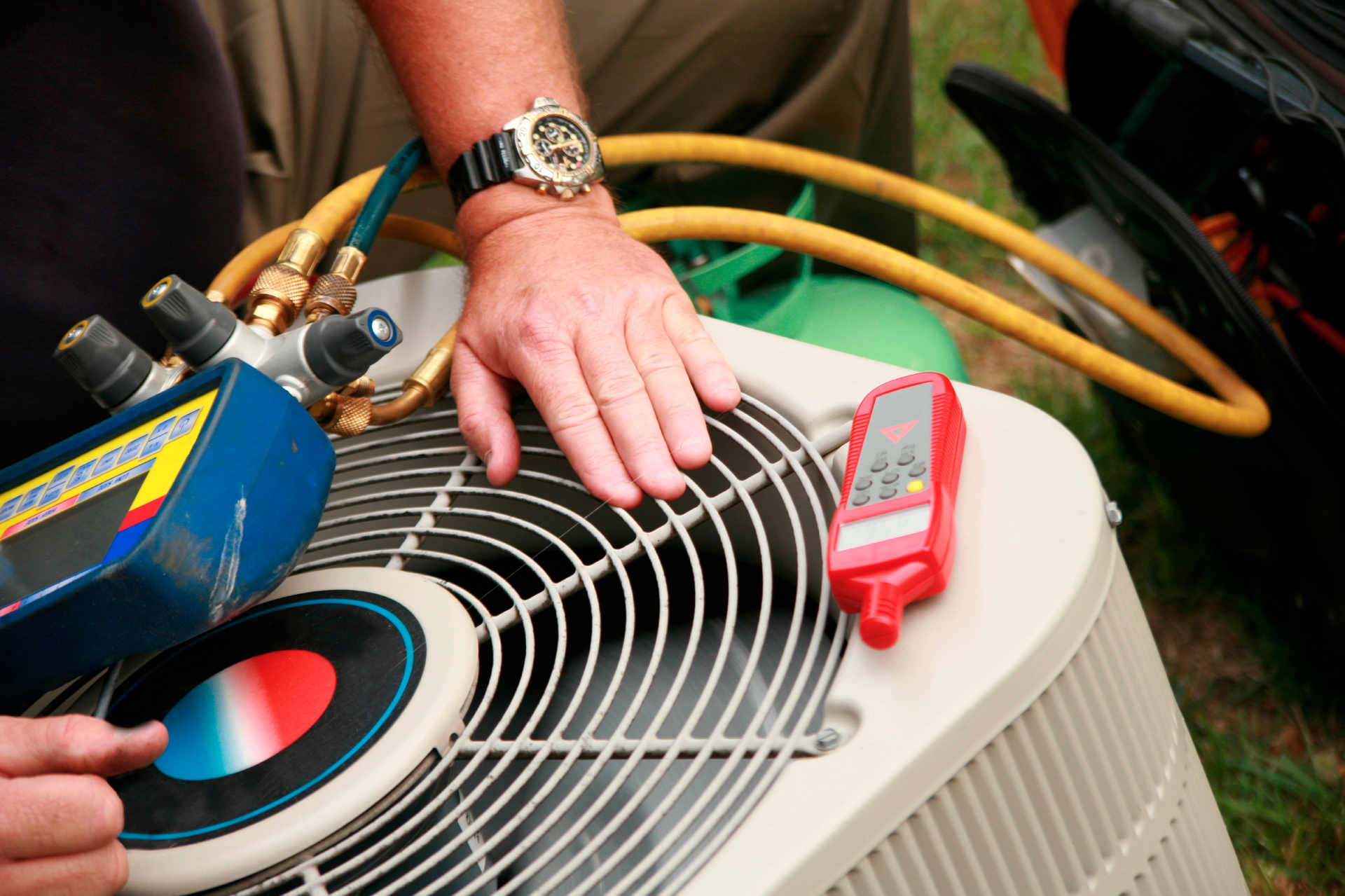
Trade-offs for older systems and upgrade choices Upgrading to a modern high-efficiency unit has upfront cost but brings several benefits: better SEER ratings, variable-speed compressors that modulate instead of cycling on and off, improved humidity control, and often quieter operation. But upgrades require evaluating ductwork. A new high-efficiency HVAC installed on leaky or undersized ducts will not deliver full benefits. A fair trade-off is to pair targeted duct sealing and insulation with the new equipment. In many Tucson homes, sealing and insulating 10 percent of the worst duct runs is enough to realize most of the efficiency gains without full-scale duct replacement.
Real examples from the field I recall a midcentury Tucson house where the homeowner called because the AC had dropped cooling capacity. On inspection the evaporator coil was heavily coated in mineral-laden dust from a failing humidifier and poor filtration. The coil clean and a new filter restored capacity and reduced run time by roughly 25 percent. The compressor temperature dropped by a measurable amount, which extends the compressor’s life. Another case involved a family that waited until a July breakdown. The compressor was dead, and the older R-22 system forced them to replace the entire unit at peak season pricing. Had they maintained the system and noticed the declining efficiency earlier, they could have scheduled replacement in the off-peak season and saved hundreds.
How maintenance interacts with warranties Many manufacturers require scheduled maintenance to keep parts or labor warranties valid beyond the initial period. That maintenance must usually be documented and performed by a licensed HVAC contractor. If you plan to keep a system long term, saving the service records is important. They help with warranty claims and also increase resale value for buyers looking for documented care. A well-documented service history reassures buyers that the system was managed responsibly.

What to expect from a trustworthy HVAC service plan A good service plan bundles annual or biannual tuneups, priority scheduling for emergency calls, and discounts on parts and labor. It should include clear terms about what is covered and transparent pricing for diagnostics and parts. Plunkett Home Services and other local providers in Tucson often offer plans tailored to seasonal needs, and they can arrange off-season servicing when demand is lower. The peace of mind afforded by priority scheduling can be well worth the modest subscription cost for families with young children or elderly residents.
Maintenance habits every homeowner can adopt Homeowners can help their HVAC last longer by adopting a few habits. Change disposable filters on a regular timeline, typically every one to three months depending on filter type and household dust or pet levels. Keep the area around the outdoor condenser clear of debris and vegetation to ensure airflow. Monitor the thermostat schedule and avoid rapid setpoint changes that cause frequent compressor starts. Finally, pay attention to early signs of trouble and schedule service promptly; small problems rarely get better on their own.
When you still need emergency AC repair in Tucson Even with the best maintenance program, some failures happen. Lightning strikes, sudden capacitor failures, or unforeseen electrical surges can take systems out. When that occurs, pick a provider with strong emergency response and clear communication about arrival windows, pricing, and options. A reputable emergency HVAC contractor will diagnose quickly, offer temporary solutions like running fans or providing portable cooling advice, and present repair versus replacement choices with transparent cost breakdowns.
Bottom line on lifespan extension Regular HVAC service near me is the single most reliable action homeowners can take to extend system life in Tucson. It prevents avoidable wear, keeps efficiency high, and turns emergency replacements into planned investments. If you have an older system, maintenance can buy you extra years while you plan for replacement under the most favorable conditions. If you have a new system, proper service protects your investment and your warranty.
If you live in Tucson and have been putting off service, schedule an inspection before the next heat spike. Small investments now save you from big repairs later, and they keep your home comfortable when the heat matters most. For homeowners looking for a local partner, consider reputable options such as Plunkett Home Services and compare written service plans, qualifications, and references before committing.
Plunkett Home Services
3144 E Fort Lowell Rd, Tucson, AZ 85716, United States
+1 (520) 808-2743
[email protected]
https://callplunkett.com/