The compressor is the heart of an air conditioning system. When it starts failing, the symptoms are often subtle at first, then sudden and expensive. In Tucson, where summer temperatures regularly climb past 100 degrees, a failing compressor is not just an inconvenience, it can be a health and safety risk. I’ve stood in living rooms with families sweating through a Saturday night while the outdoor unit hummed and clicked, and I’ve also watched small problems flagged during routine maintenance prevent a full breakdown later. Knowing what to look for and when to call for AC repair in Tucson can save you money, and downtime, and keep your home safe.
Why the compressor matters The compressor raises the pressure and temperature of the refrigerant so the https://gunnernogj787.huicopper.com/how-to-handle-a-broken-ac-during-a-tucson-heat-emergency system can move heat out of your home. If the compressor stops doing that, the system loses its ability to cool. That failure can be electrical, mechanical, or refrigerant-related. Some failures develop over months; others are the result of a single event like a power surge or a stuck contactor. The sooner you recognize trouble, the better the chances your HVAC contractor can repair rather than replace the unit.
Common early signs people miss Most homeowners notice temperature changes first. What they often miss are the quieter indicators: small changes in sound, a rise in electricity usage, or the outdoor unit short-cycling. A worn start capacitor or a weakening motor will cause the compressor to struggle at startup. That strain shows up as extra clicks, longer start times, or the system dropping out and trying again. These are fixable if caught early. Left alone, the motor will overheat and the compressor can seize, which usually means replacement.
Five clear warning signs of compressor trouble
- The outdoor unit makes unusual noises, such as loud rattling, grinding, or a high-pitched squeal when the system runs. The system cycles on and off rapidly (short-cycling) or fails to stay on during a cooling call. The air coming from your vents is only slightly cooler than room temperature, even when the thermostat is set low. You see oil or refrigerant pooling near the outdoor unit, or the service valves look oily or corroded. Your electric bill jumps significantly during the cooling season without a corresponding increase in thermostat use.
What each sign typically points to Unusual noises can mean bearings are failing, internal valves are loose, or the compressor is mechanically damaged. Grinding or a dragging sound often indicates internal failure, which leans toward replacement. High-pitched squeals could be an electrical problem or a slipping start capacitor.
Short-cycling is commonly caused by low refrigerant, an oversized system, or a failing compressor that cannot maintain pressure. Short-cycling does two things that hurt your system: it increases wear and raises your energy bill. A competent HVAC repair technician will measure pressures and electrical current to determine whether the compressor is operating within specifications.

Weak cooling can be refrigerant undercharge, but if refrigerant levels check out, the compressor may not be compressing the refrigerant effectively. That measurement happens on a service call when the contractor reads the low and high side pressures and compares them to the expected ranges for your system and ambient temperature.
Visible oil or pooling refrigerant is a red flag. Compressors can leak oil when seals fail. Even small leaks are worth stopping early because refrigerant charge and oil balance affect compressor lubrication. Running a compressor with low oil can cause catastrophic failure.
A spike in energy use often accompanies a failing compressor because the motor draws more current trying to do the same job. A homeowner who tracks bills month to month will sometimes notice the creeping cost before they get any comfort complaints.
Diagnostic steps a pro will take A professional HVAC contractor will not guess. Expect these measurements and checks during a diagnostic visit: electrical current draw at the compressor, voltage at the contactor, refrigerant high and low side pressures, temperature split across the evaporator coil, and a visual inspection of wiring, capacitors, and relays. They will also look for contamination; burned smell or discoloration of components can indicate internal compressor failure.
A simple anecdote: I once inspected a house where the homeowner had replaced a start capacitor three times in 18 months. Each time the system ran a little bit longer, then returned to intermittent operation. When I pulled the electrical cover and measured the current, the compressor was drawing nearly 30 percent more than its rated run amps. The extra load had damaged the windings slowly. That unit was a candidate for replacement rather than ongoing repairs.
When repair makes sense and when replacement is the smarter choice Repairing a compressor is not always possible. If the compressor motor windings are burned or the internal valve plate is damaged, many manufacturers recommend replacement for reliability. On the other hand, failures like a bad start capacitor, a stuck contactor, or a clogged filter drier are repairable and often stop the problem cold.
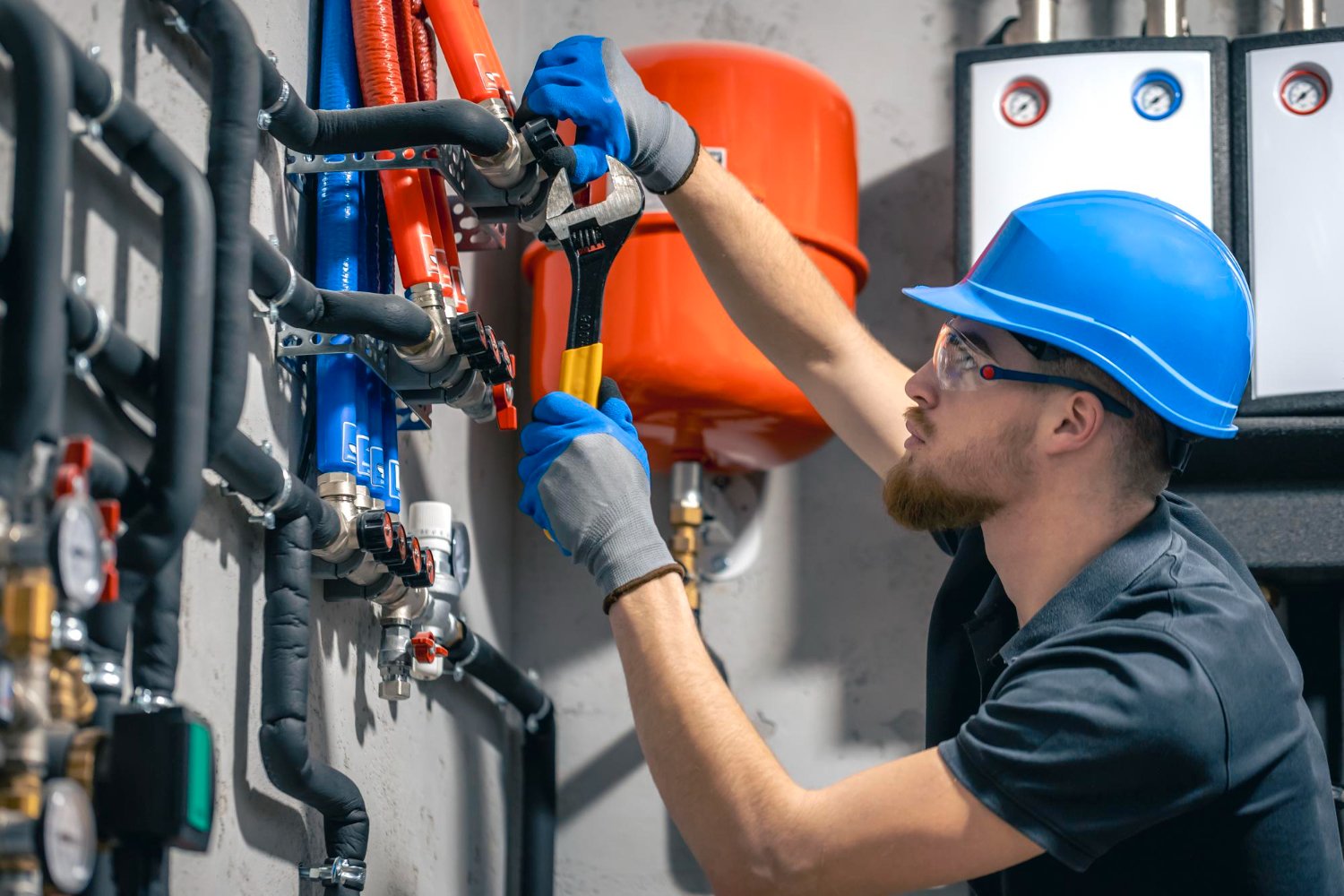
Deciding whether to repair or replace involves considering the unit’s age, the cost of repair relative to replacement, and the unit’s refrigerant type. Units older than 10 to 15 years often use R-22 refrigerant, which is now costly and increasingly restricted. If your system needs a major compressor repair and still uses R-22, the balance usually tips toward replacing the entire condensing unit or system. New units are more efficient and can lower your electricity use by 20 to 40 percent depending on the starting point. If the compressor failure is sudden and you have little time during a heat wave, an emergency AC repair near me search will often bring up contractors who can offer temporary fixes, but insist on a proper diagnosis to avoid repeated callouts.
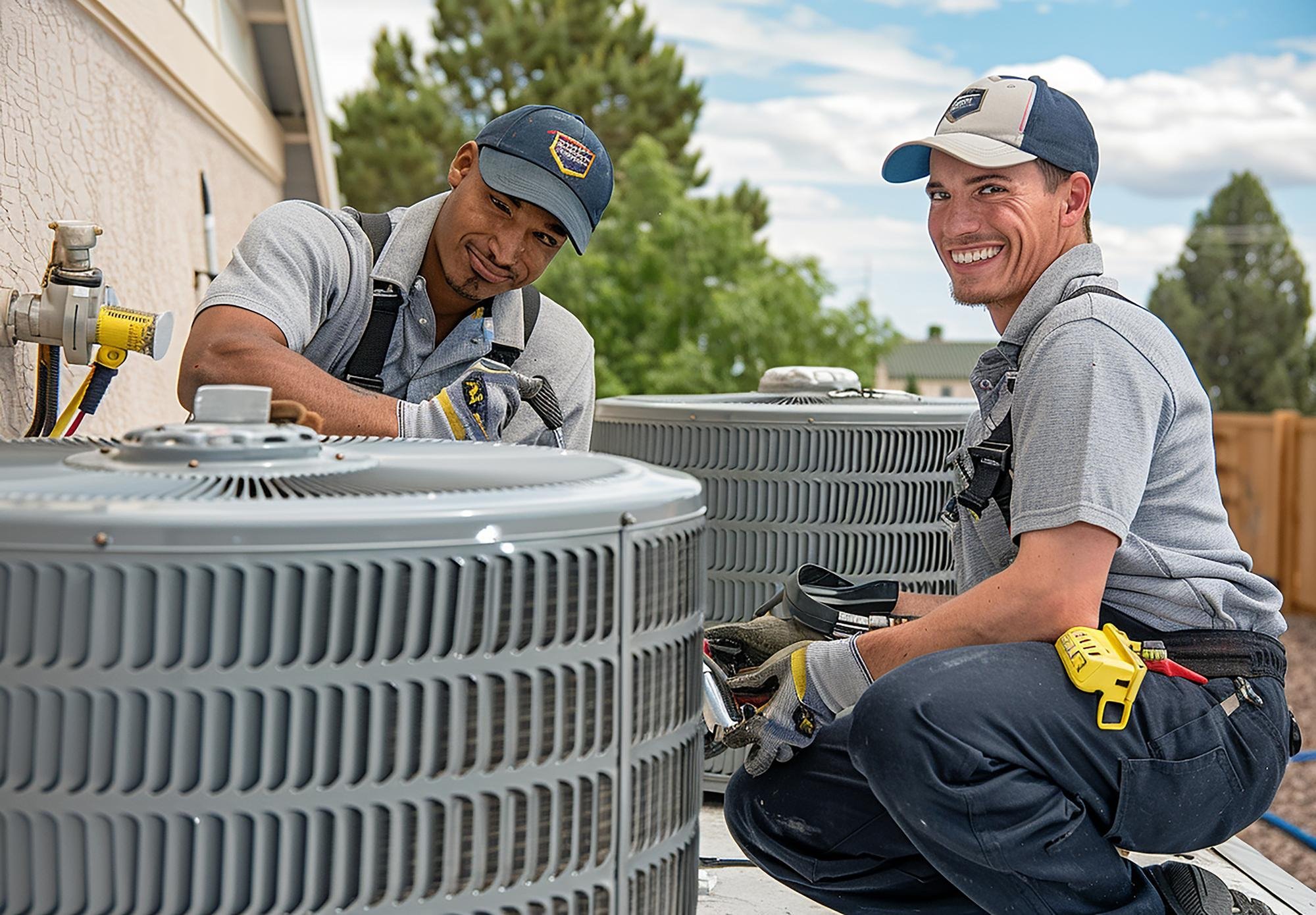
Immediate steps to take when you suspect compressor failure
- Turn off the system at the thermostat and the outdoor unit's disconnect to prevent further damage or electrical hazards. Check the outdoor unit for obvious issues like tripped breakers, blown fuses, or a visibly damaged fan blade. If you smell burning or see smoke, leave the home and call an HVAC contractor and emergency services if necessary. Call a reputable HVAC company near me with experience diagnosing compressor problems and ask for a clear diagnostic report before any major parts are replaced.
Why timing matters in Tucson summers A failing compressor in June or July can become an emergency within hours. Compressor failure is not just a mechanical problem; it affects indoor temperature, humidity control, and in extreme heat, the health of vulnerable occupants. The longer a failing compressor runs, the more likely it will damage the refrigerant circuit or motor windings, turning a relatively inexpensive repair into a full replacement. In my experience, homeowners who delay are the ones who end up paying twice: once for an emergency replacement and again for expedited labor or for having to stay in temporary accommodation.
How a good HVAC contractor helps beyond repairs A quality HVAC contractor brings diagnostics and options. They will explain whether the immediate issue can be fixed temporarily and what long-term solutions look like. For example, a contractor might recommend replacing the contactor and start capacitor to get the system running while scheduling a compressor replacement when parts and time are available. A contractor can also evaluate whether a partial replacement, like swapping only the outdoor condensing unit while leaving the indoor coil, is compatible and cost effective.
Plunkett Home Services and other local providers typically offer both maintenance plans and emergency AC repair in Tucson. Maintenance reduces the chance of compressor failure by keeping electrical connections tight, refrigerant at proper charge, and moving parts well lubricated. I’ve seen maintenance catch loose fittings and prevent refrigerant leakage that would have otherwise led to compressor strain.
Costs and budgeting for repair versus replacement Compressor repairs can range widely. A start capacitor or contactor may cost a few hundred dollars installed. A refrigerant recharge usually costs in the low hundreds, depending on whether the system uses a common refrigerant and how much is needed. A full compressor replacement for a residential condensing unit typically runs a few thousand dollars and can be notably higher for high-tonnage or premium units. Full system replacement, including indoor coil and condenser, often ranges from several thousand to well over ten thousand, depending on system size and efficiency level. Get multiple quotes and insist on written diagnostics. If a quote suggests replacing the compressor only, confirm the contractor has weighed the age and condition of the rest of the system, compatibility, and any refrigerant phase-out issues.
Maintenance practices that reduce compressor risk Regular preventive maintenance is the single best investment. Clean coils, unobstructed airflow, correct refrigerant charge, and firm electrical connections all reduce stress on the compressor. Replace the air filter every 1 to 3 months depending on use and pets. Have a licensed technician perform seasonal tune-ups that include checking run amps, tightening electrical connections, and verifying refrigerant pressures. In homes with older equipment, consider upgrading to a modern high-efficiency system when the cost of repeated repairs approaches replacement costs.
Red flags when choosing a contractor Not all HVAC contractors are equal. Red flags include demand for large deposits before any diagnostic work, refusal to provide a written estimate, or technicians who won’t measure electrical current and refrigerant pressures. Good contractors will document issues, show you measurements, and explain trade-offs. Ask whether they specialize in AC repair in Tucson and whether they have experience replacing compressors on your unit brand and model. Search terms like HVAC Repair, HVAC Service Near Me, or HVAC contractor are useful, but vet local contractors by reviews, licensing, and proof of insurance.
How we handle emergency calls and follow-through When someone calls for Emergency AC repair near me, the priority is restoring safe, temporary cooling while clearly communicating options. That may mean repairing a failed start component, isolating a leaking section, or replacing a damaged contactor. The honest contractor will be clear about which fixes are stopgaps and which are permanent. They will also present a timeline and cost estimate for full repairs or replacement, and discuss financing options if needed.
Final decision-making: practical checklist for homeowners
- If the unit is under 10 years old and repairs are less than half the replacement cost, repair is often reasonable. If your system uses R-22 refrigerant or is older than 12 to 15 years, replacement is likely the better investment. Prioritize immediate safety: any burning smell, smoke, or tripped breakers requires turning the system off and contacting a technician immediately. Use a qualified HVAC contractor who provides a written diagnostic, transparent pricing, and options.
If you’re in Tucson and you suspect compressor trouble, call a trusted local professional for a diagnostic rather than attempting to run the system and hope for the best. A timely repair or informed replacement decision will keep your home comfortable and protect your budget. For reliable evaluations and fast service, Plunkett Home Services and experienced HVAC companies in the area can provide both maintenance plans and urgent repairs, helping you navigate whether to repair, temporarily fix, or replace the unit.
Knowing what to listen for, when to act, and who to call separates an expensive surprise from a manageable maintenance decision. Careful diagnosis, clear options, and timely action preserve comfort and extend the life of your HVAC investment.
Plunkett Home Services
3144 E Fort Lowell Rd, Tucson, AZ 85716, United States
+1 (520) 808-2743
[email protected]
https://callplunkett.com/